Budva Museum
Four floors of Illyrian, Greek, Roman and Venetian artefacts from excavations around the Budva coast.
Archaeological and Ethnographic Museum in the Old Town
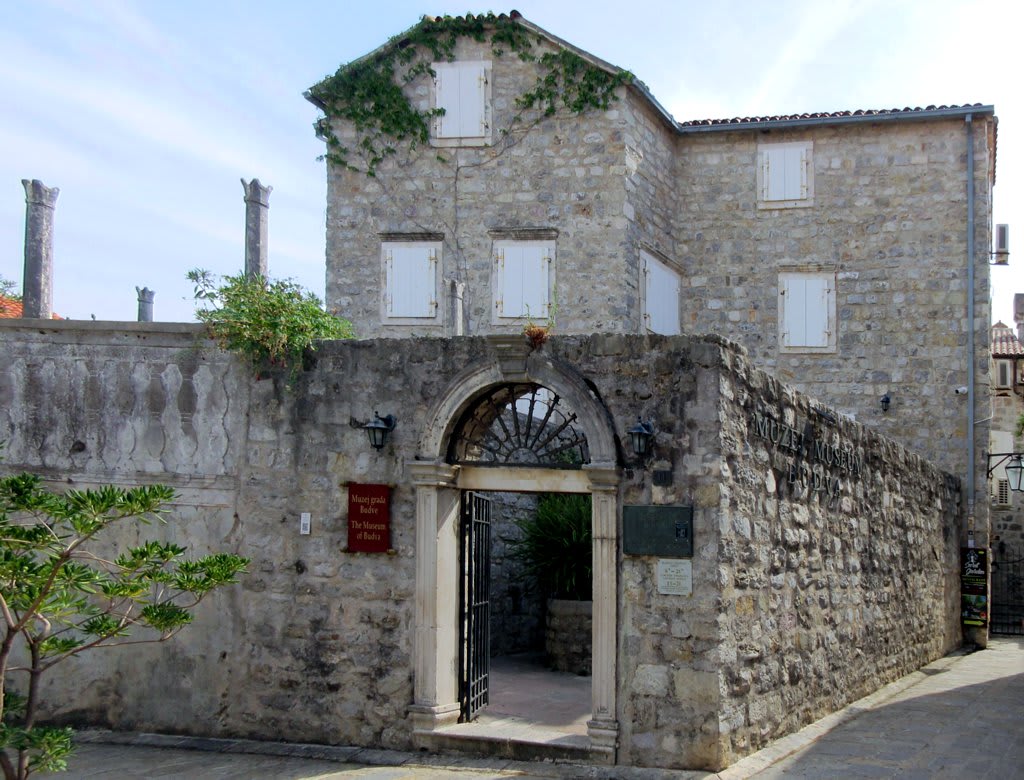
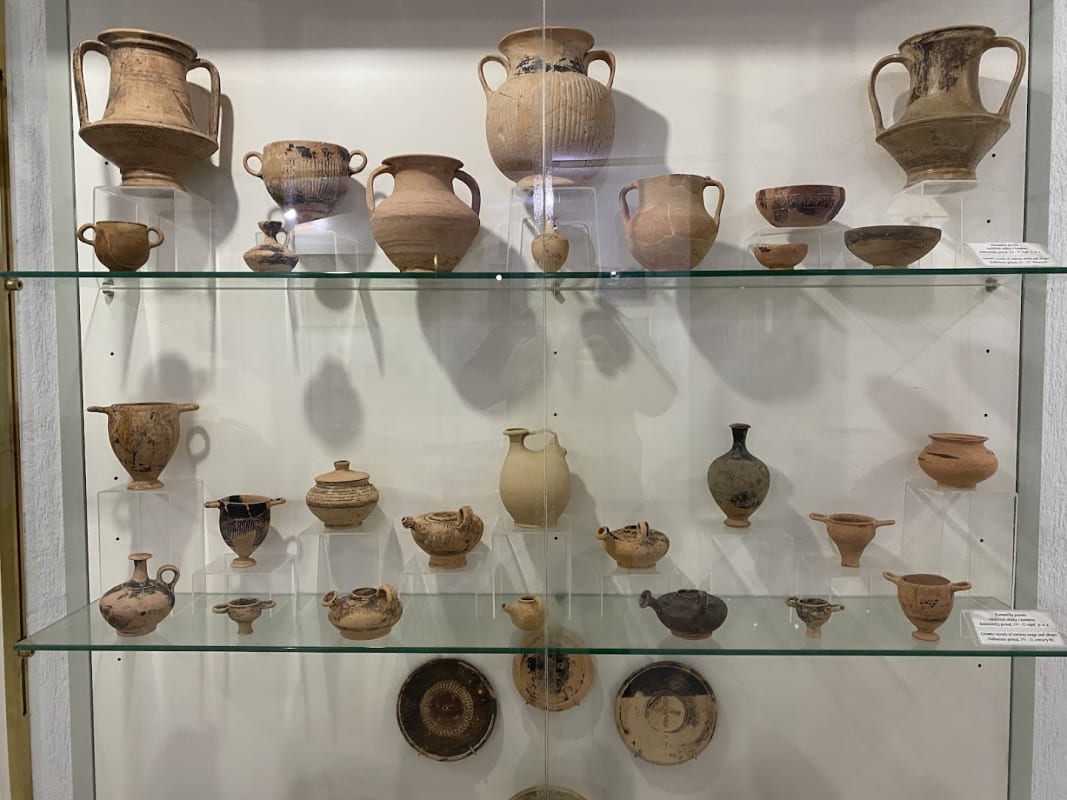
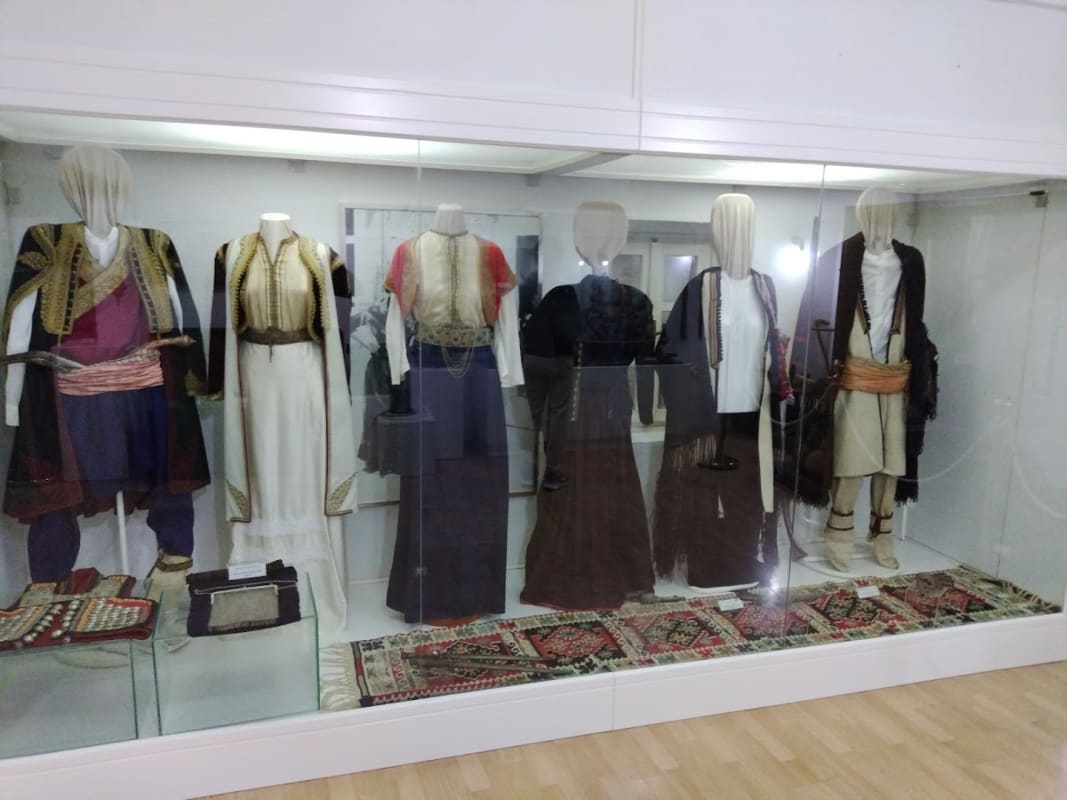
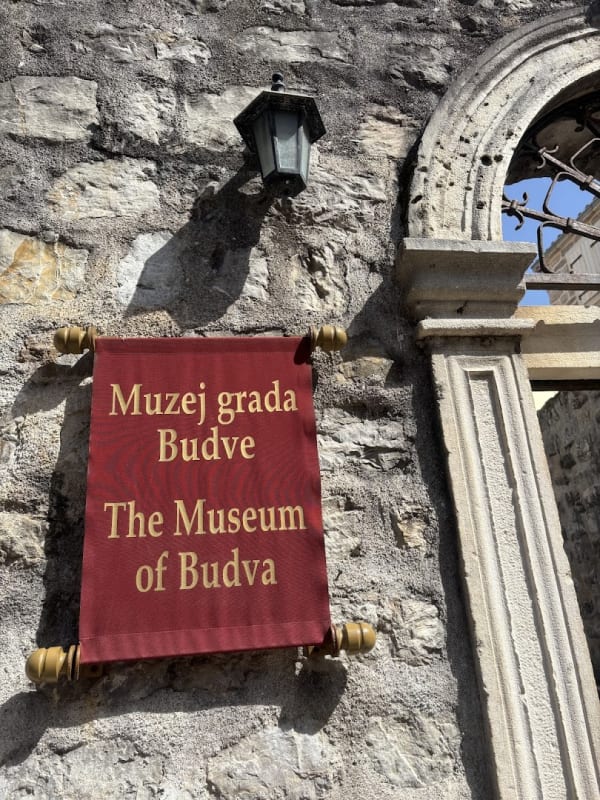
Budva Museum occupies a multi-storey building situated within the Old Town walls and contains artefacts derived from archaeological excavations conducted at sites throughout the Budva coastal region. The exhibition spans four floors, with content organised chronologically across historical periods. The ground floor galleries focus on the Illyrian and Greek periods, presenting jewellery, ceramic vessels, and glassware dating from approximately the fourth century BC. Glass items represent significant wealth indicators from this era. Subsequent upper-floor galleries progress through Roman period artefacts, Byzantine period materials, and objects from the Venetian administrative period. The Roman section includes pottery, coins, and domestic implements from habitation layers excavated at nearby sites. An ethnographic exhibition occupies the top floor, displaying traditional tools, implements, textiles, clothing styles, and household objects representing daily life from the eighteenth through twentieth centuries. These items illustrate craft techniques and domestic practices of the region's settled populations. The overall collection remains modest in total volume but provides concentrated detail regarding local archaeological findings and regional material culture. Visitors are permitted to photograph items within the galleries. The building structure contains stairs as the sole means of vertical access between floors; no mechanical lift or elevator is available. Access involves climbing multiple flights of stairs to reach upper-floor galleries.
Features
Type
Museum
Area
Old Town
Entry
$ Budget
Setting
Old Town
Season
Year-round
Booking
—


