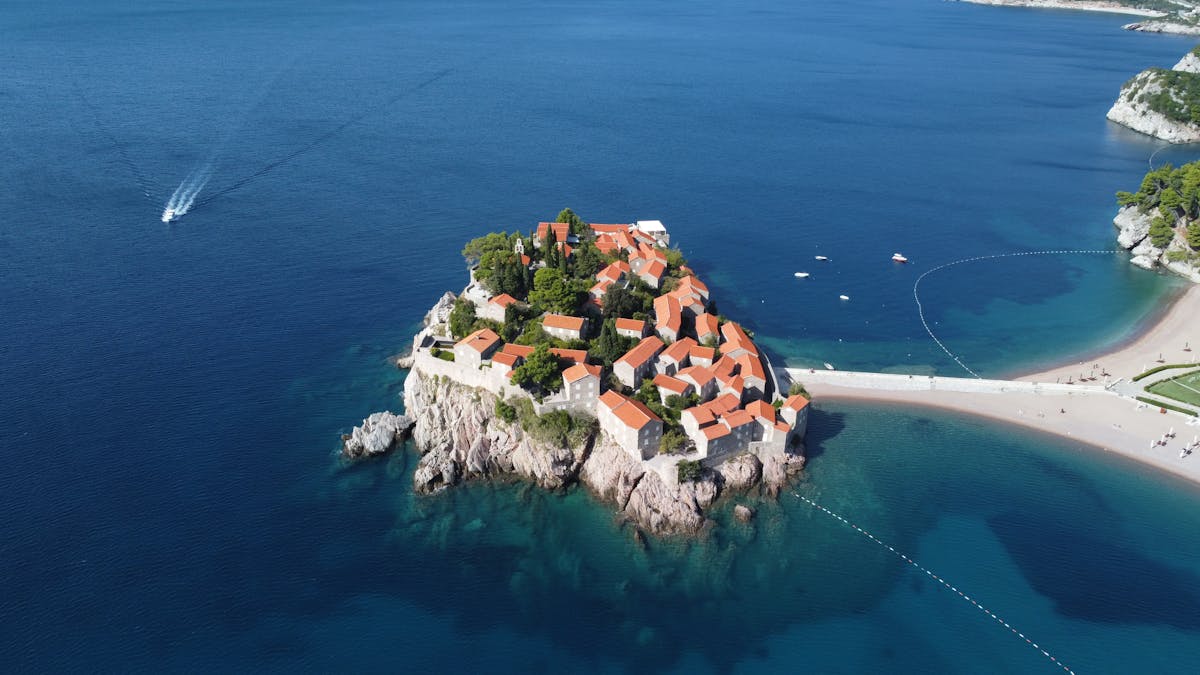
Budva's Old Town is one of the Adriatic's best-preserved medieval walled settlements, and it contains a surprisingly dense concentration of restaurants within its compact footprint. The dining leans heavily toward seafood — the fishing boats in the adjacent marina supply many of the kitchens directly — but there is enough variety to cover grilled meats, Italian-influenced dishes, traditional Montenegrin cooking, and lighter café fare.
What Dining in the Old Town Is Like
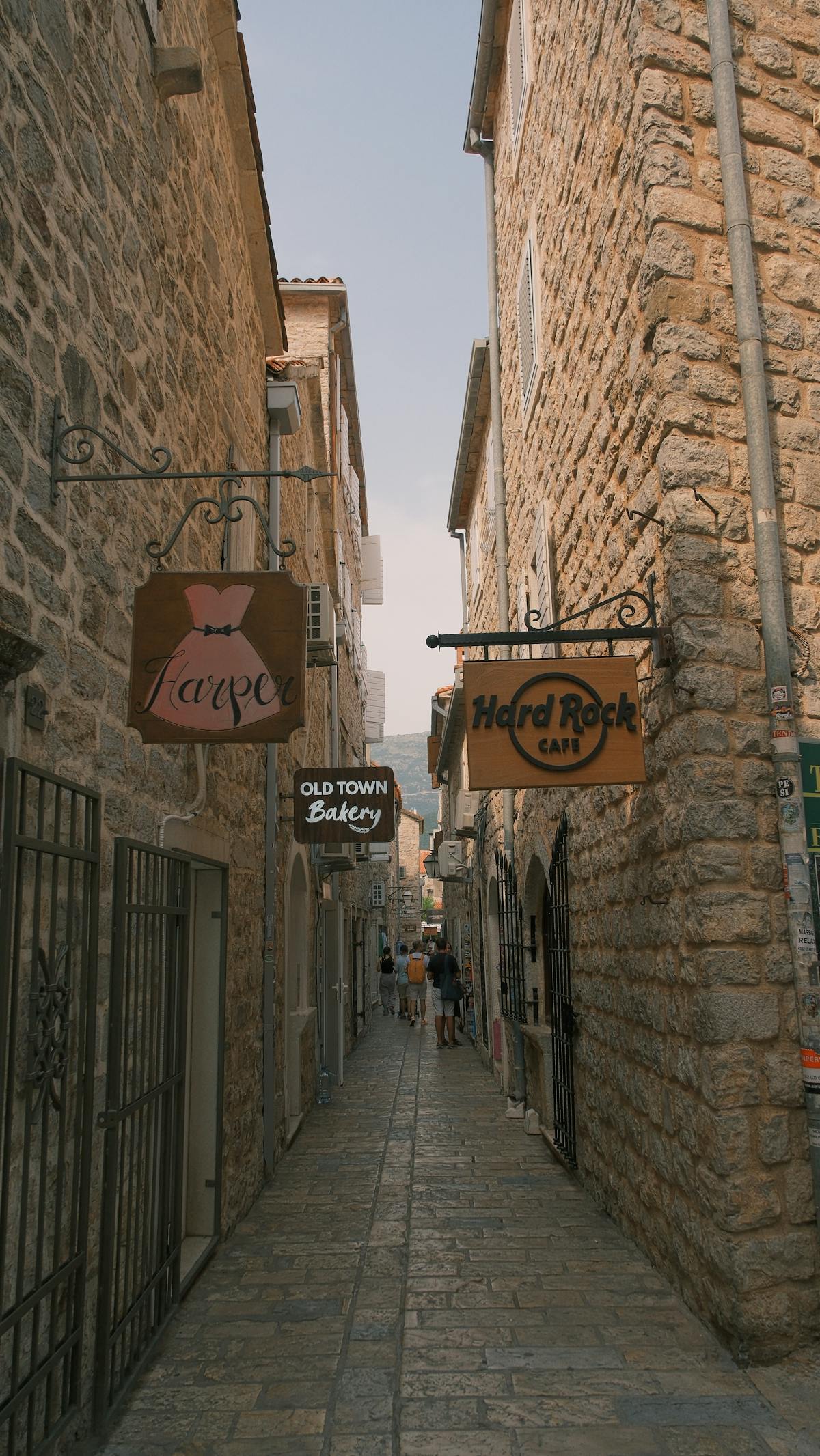
Eating inside the walls means navigating narrow cobblestone lanes and discovering restaurants in places you wouldn't expect — terraces on rooftops three storeys up, tables set into alcoves carved from the old fortifications, and tiny courtyards hidden behind heavy wooden doors. Several restaurants have seating on or against the sea-facing ramparts, where you eat with the Adriatic a few metres below.
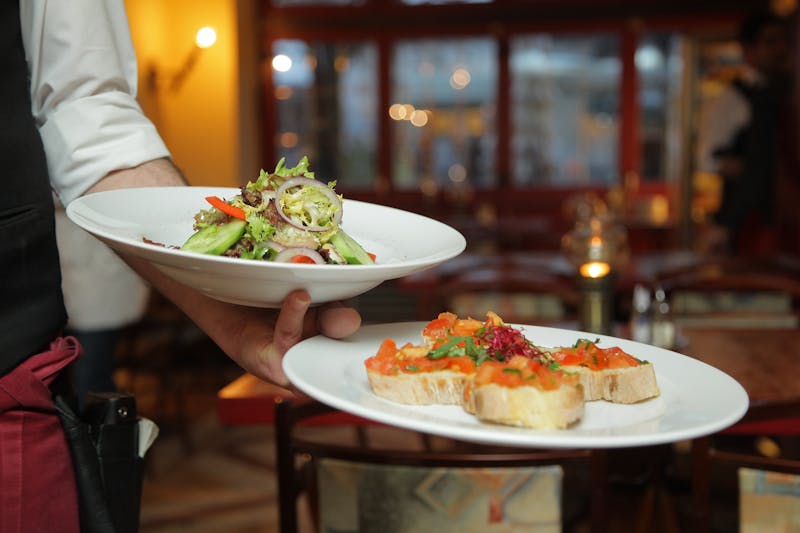
The cuisine centres on the sea. Fresh fish sold by weight, octopus prepared three or four ways, prawns in garlic and white wine, and mussels from the Bay of Kotor are the staples. But the inland Montenegrin tradition is also well represented — charcoal-grilled meats, slow-roasted lamb, local cheeses, and pršut (air-cured ham) sliced thin and served with olives.
Prices inside the walls are higher than the restaurants along Slovenska Beach or out on the Riviera. A main course of grilled fish runs €15–25 depending on the type and weight; meat dishes are generally €12–18; a bottle of local wine €15–25. The setting — medieval stone, candlelight, sea views — makes up the difference for most visitors.
Most restaurants open around noon and serve continuously through to midnight or 1am in summer. In the shoulder months (May, early June, late September, October) hours are shorter and not every kitchen stays open past 10pm.

How to Choose Well
Book ahead in summer. July and August are peak season and the best terraces — particularly the ones with sea views — fill up by 7pm. Call ahead directly or ask your hotel reception to reserve. Restaurants that don't take reservations will have a queue by 8pm on a Saturday in August.
Walk a full loop before sitting down. The Old Town is small enough to circuit in 15 minutes. Use that time to check menus posted outside, look at the terrace setups, and see which places are full of locals versus tour groups. Some of the best restaurants are tucked down alleys you would miss if you sat at the first place you saw.
Ask about the daily catch. Most fish restaurants display the day's catch on ice near the entrance — sea bream, sea bass, John Dory, squid, and whatever else came in that morning. The freshest fish will always be the best thing on the menu. Don't be afraid to ask the waiter what was landed that day.
Venture off the main square. The restaurants lining the central Trg Između Crkava (the square between the churches) are the most visible and the most convenient. They are also the most likely to charge a premium for average food. Walk one street back from the square — toward the sea wall or into the lanes heading north — and the value improves noticeably. The food quality at the quieter spots is often higher, too, because they rely on reputation rather than foot traffic.
Check the bill. A bread and cover charge (coperto) of €1–2 per person is standard and will appear on your bill whether you ordered bread or not. This is normal practice on the Montenegrin coast. Tips of 10% are appreciated but not always expected.
Signature Dishes to Order
Crni rižoto — squid ink risotto, stained black and rich with seafood. One of the most popular dishes on every coastal Montenegrin menu. The best versions use fresh squid rather than just the ink.
Škampi na buzaru — prawns simmered in a sauce of garlic, white wine, tomato, and breadcrumbs. Served in the pan with crusty bread for mopping. The quality depends entirely on the freshness of the prawns — order this at a restaurant that displays its seafood.
Jagnjećina ispod sača — lamb slow-roasted for hours under a domed metal lid (sač) covered with hot coals. The meat falls apart. This is a traditional Montenegrin method and some restaurants require advance notice to prepare it — ask when you book.
Njeguški steak — a pork or veal steak stuffed with pršut and local Njeguški cheese, then grilled. Named after the mountain village of Njeguši above the Bay of Kotor where the cheese and ham originate.
Priganice — small rounds of fried dough served with honey and soft cheese, or sometimes with jam. A traditional breakfast or dessert, available at cafés throughout the Old Town from early morning.
Hobotnica ispod sača — octopus slow-roasted under the sač with potatoes, garlic, and olive oil. When done well the octopus is tender enough to cut with a fork. This needs time to prepare, so some restaurants only offer it as a daily special.

Local Wine Worth Ordering
Montenegro produces wines that are underrated by most visitors arriving from Italy or France. The two to know are Vranac and Krstač.
Vranac is a bold, tannic red grown around Lake Skadar in the south. It pairs well with grilled meats, lamb, and hard cheese. The best producers — Plantaže is the largest, but smaller wineries like Šipčanik and Cemovsko Polje are worth seeking out — make wines that compete with mid-range Croatian or Italian reds.
Krstač is a dry white grape, also from the Skadar region, that produces a crisp, mineral wine ideal with seafood. It is lighter than most Adriatic whites and drinks well chilled on a summer evening.
By-the-glass pours at Old Town restaurants are generous — typically 150–200ml — and affordable at €3–5. A full bottle of a good Montenegrin wine runs €15–25 at restaurant prices.
If you want to try something different, ask for Cabernet Sauvignon from Plantaže — Montenegro's version is softer than a French Cabernet and works surprisingly well with the local seafood preparations.
When to Visit
The Old Town restaurants are at their best from May to October. The atmosphere peaks in July and August — warm evenings, full terraces, occasional live music drifting between the lanes — but the shoulder months of May, June, and September offer better value, shorter waits, and a more relaxed pace.
Many restaurants close entirely or reduce to weekend-only hours from November through March. If visiting in the off-season, check opening times online or call ahead before making the walk up to the Old Town.
Winter dining is limited but not absent. A handful of restaurants stay open year-round, and the Old Town in winter — quiet, uncrowded, with the stone lanes lit by low light — has its own appeal.
Explore our full restaurant listings for addresses, hours, and photos of the best places to eat in Budva.